Hosting tips
Parking BNE: Prepare Your Brisbane Driveway for a Paying Parker
By ParkingShare Australia · · 6 min read
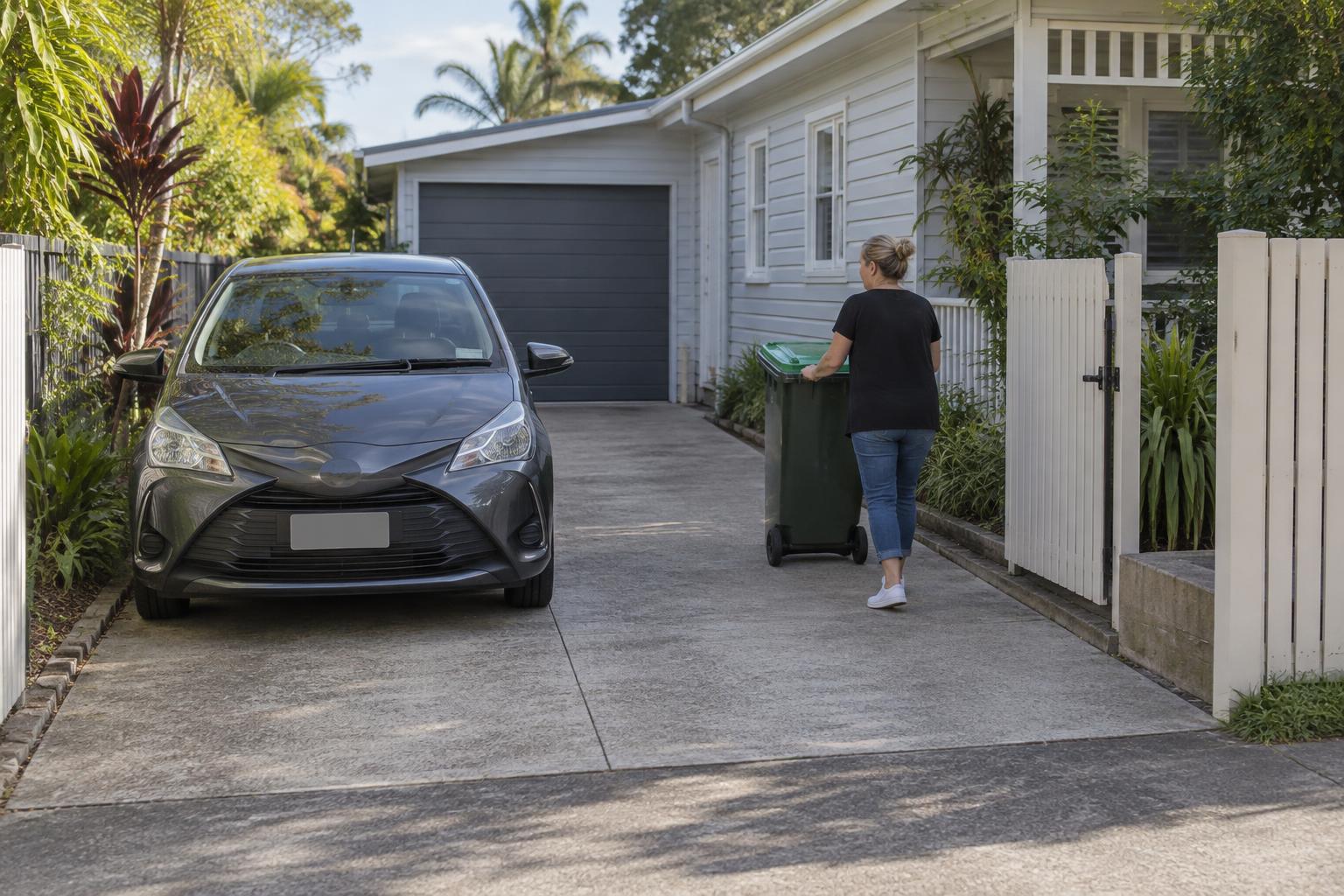
A driveway can look spacious until a second car arrives, someone needs to put the bins out and the garage door swings open. Before renting out a private parking space, test whether it works as a small, repeatable service—not just an empty patch of concrete.
For Brisbane hosts, this matters when describing a space to people searching for parking BNE. Someone using that phrase may be planning an airport trip, but a residential driveway is not automatically a practical airport parking option. Your job is to offer a usable space and describe its limits accurately.
This guide focuses on preparing the physical space: measuring it, protecting household access and rehearsing an arrival before you list it on ParkingShare.
1. Define exactly what you are renting out
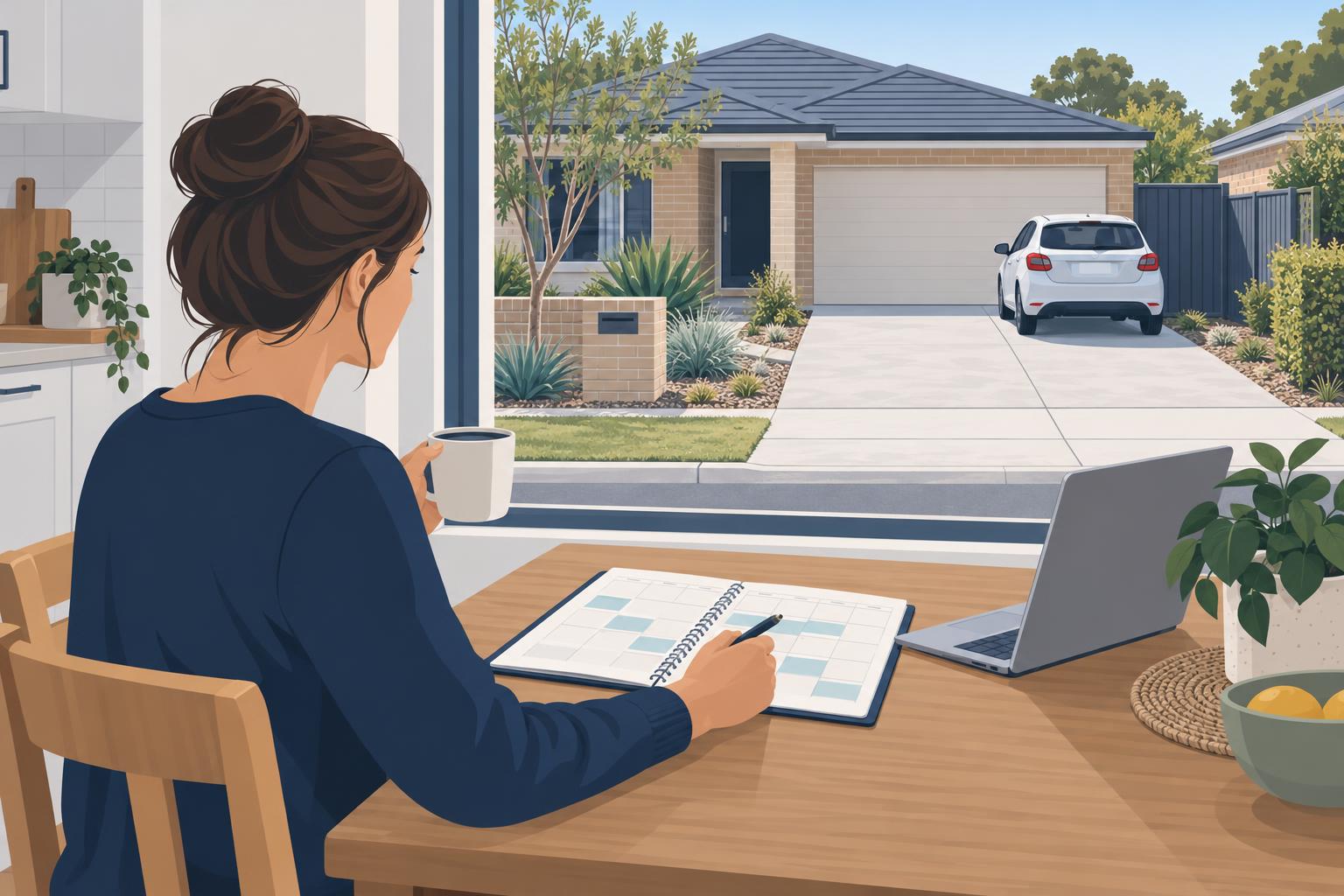
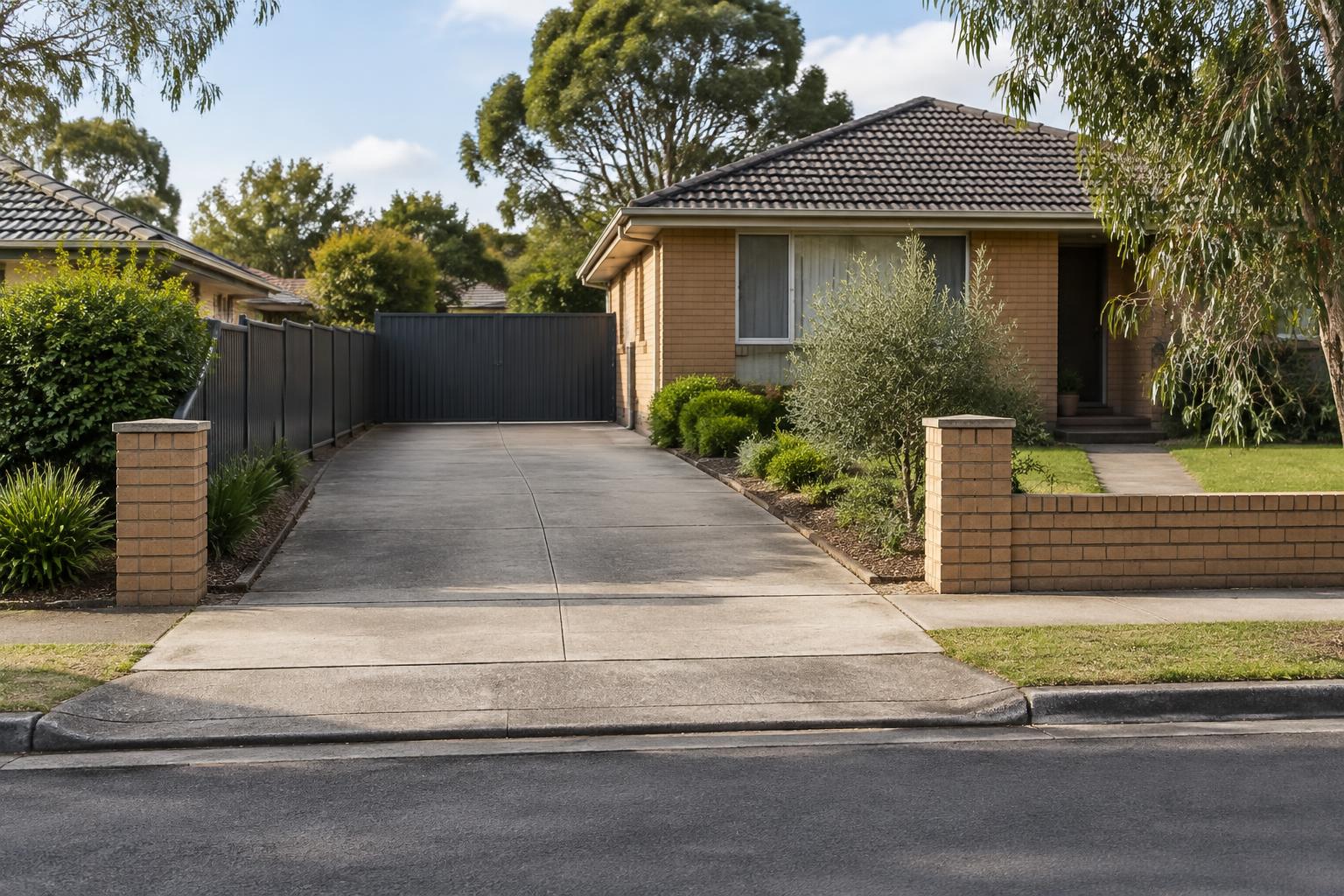
Start with a simple sketch of your driveway, garage or parking area. Mark the proposed parking position, property entrance, garage door, pedestrian route and anything your household needs to reach.
Then write a one-sentence description of the offer:
One uncovered parking position on the left-hand side of a shared residential driveway, with the right-hand side kept clear for household access.
That sentence is more useful than “large driveway available”. It establishes a boundary you can test.
Separate the parking space from surrounding space
A driver should not need to guess whether they can use the lawn, neighbouring bay or turning area. Consider a removable marker or another clearly visible reference point within your property, provided it does not create a trip hazard or obstruct access.
If you are renting garage parking, decide which shelves, cupboards and stored belongings remain outside the booking. Do not imply that parking includes storage or workspace unless you are deliberately offering those uses.
2. Measure the route, not just the rectangle
A vehicle may fit inside a garage but struggle to enter it. Measure the whole journey from the driveway entrance to the final parking position.
Record:
- Usable length: the distance available with doors, gates and required walkways clear.
- Usable width: the narrowest practical width, accounting for posts, shelving and fixed obstacles.
- Entry clearance: the narrowest opening along the access route.
- Overhead clearance: any low door, beam, pipe or other obstruction.
- Manoeuvring room: the area needed to turn into and leave the space.
Measure with the garage door in its normal open position. Check whether a gate reduces usable length when closed.
Test the parked position
Use your own vehicle as a rehearsal, not as proof that every similar-looking vehicle will fit. Park where the guest would park, then open the driver's door and boot. Walk past carrying shopping or a suitcase.
Record your test vehicle's dimensions if you know them accurately, but publish the space's measured limits rather than relying on labels such as “SUV-friendly”. Ask prospective renters to check their actual vehicle, including accessories such as roof boxes.
3. Keep ordinary household tasks working
The strongest test is not whether a car fits once. It is whether the space remains usable while your home functions normally.
With the test car parked, work through these tasks:
- Take the bins from their storage spot towards the collection point.
- Move a bicycle, pram or mobility aid along the usual route.
- Open every door or gate that needs to remain accessible.
- Enter and leave with the household's other vehicle.
- Reach meters, taps and other areas you may need to access.
If something fails, adjust the parking position or reduce the area offered. Do not assume the renter will always be available to move their car.
Avoid an arrangement that depends on holding a guest's keys or moving their vehicle unless you have separately resolved permission, responsibilities and insurance implications. A genuinely independent parking position is simpler to manage.
4. Inspect the space in rain and after dark
Inspect your driveway after rain before deciding how to describe it. Look for pooling water, slippery patches, runoff across the walking route and places where opening a car door means stepping into mud.
For forecasts and weather warnings, consult the Bureau of Meteorology. For property-specific flood information and local guidance, start with Brisbane City Council. Do not describe a space as flood-free based only on your own experience.
After dark, stand where a driver would first enter. Can you distinguish the correct parking area and see the walking route? Is a light obscured by the parked vehicle? Address visibility problems without directing glare into neighbouring homes.
If a defect needs repair, fix it before offering the space. A warning in a listing is not a substitute for making an unsuitable surface usable.
5. Rehearse an arrival without helping
Ask someone unfamiliar with your setup to arrive using only your draft instructions. Have them use a vehicle you have checked against your measurements.
Give them three pieces of information:
- Which entrance to use.
- Where the vehicle should stop.
- How to leave the parking area on foot.
Watch from a safe position rather than coaching them through every turn. Note where they hesitate. If they choose the wrong side, block a gate or cannot identify the bay, improve the layout or instructions and repeat the test.
This rehearsal also helps you take useful photographs. Capture the approach, the parking position and any meaningful constraint. Keep private access credentials out of public images.
6. Describe the result without overselling it
Your finished description should reflect what you measured and tested. Include the surface, cover, access arrangement, dimensions and any household area that must remain clear.
You can browse Brisbane parking spaces to understand how other spaces are presented, but base your own description on your property—not someone else's claims.
Be precise about airport suitability
If you mention parking BNE, explain that you are offering private residential parking rather than terminal parking. Do not imply that a shuttle, transfer or airport affiliation is included.
Direct guests to Brisbane Airport for official airport access information. Let them assess their onward journey rather than promising an untested transfer time.
Before accepting bookings, check permission to rent the space with the relevant owner, body corporate or authority, and discuss the proposed use with your insurer. Ask the Australian Taxation Office or a registered tax professional how to treat any income. Review ParkingShare's terms alongside those checks.
Frequently asked questions
Can I rent out just one side of my driveway?
Potentially, if you have permission and it works as a separate parking position. Test household vehicle access and pedestrian movement with a car parked there. Clearly identify which side is included.
What if I do not know which vehicles will fit?
Publish careful measurements and describe entry constraints. Ask the renter to compare their vehicle's dimensions, including accessories. Avoid guaranteeing suitability from a vehicle category alone.
Should I advertise a Brisbane driveway for airport parking?
Only describe the location and arrangement you can substantiate. Make clear that the booking is for a private space and explain whether guests must arrange their own onward transport. Proximity alone does not establish convenience.
What should I do before publishing?
Finish the arrival rehearsal, resolve access problems and confirm permissions and insurance arrangements. Check the ParkingShare FAQs for platform information. Once your space and description are ready, you can list your space.
A well-prepared space does not need elaborate equipment. It needs clear boundaries, realistic measurements and an arrangement that works without repeated improvisation.