Hosting tips
Part-Time Parking Hosting: Make Your Spare Space Fit Your Week
By ParkingShare Australia · · 6 min read
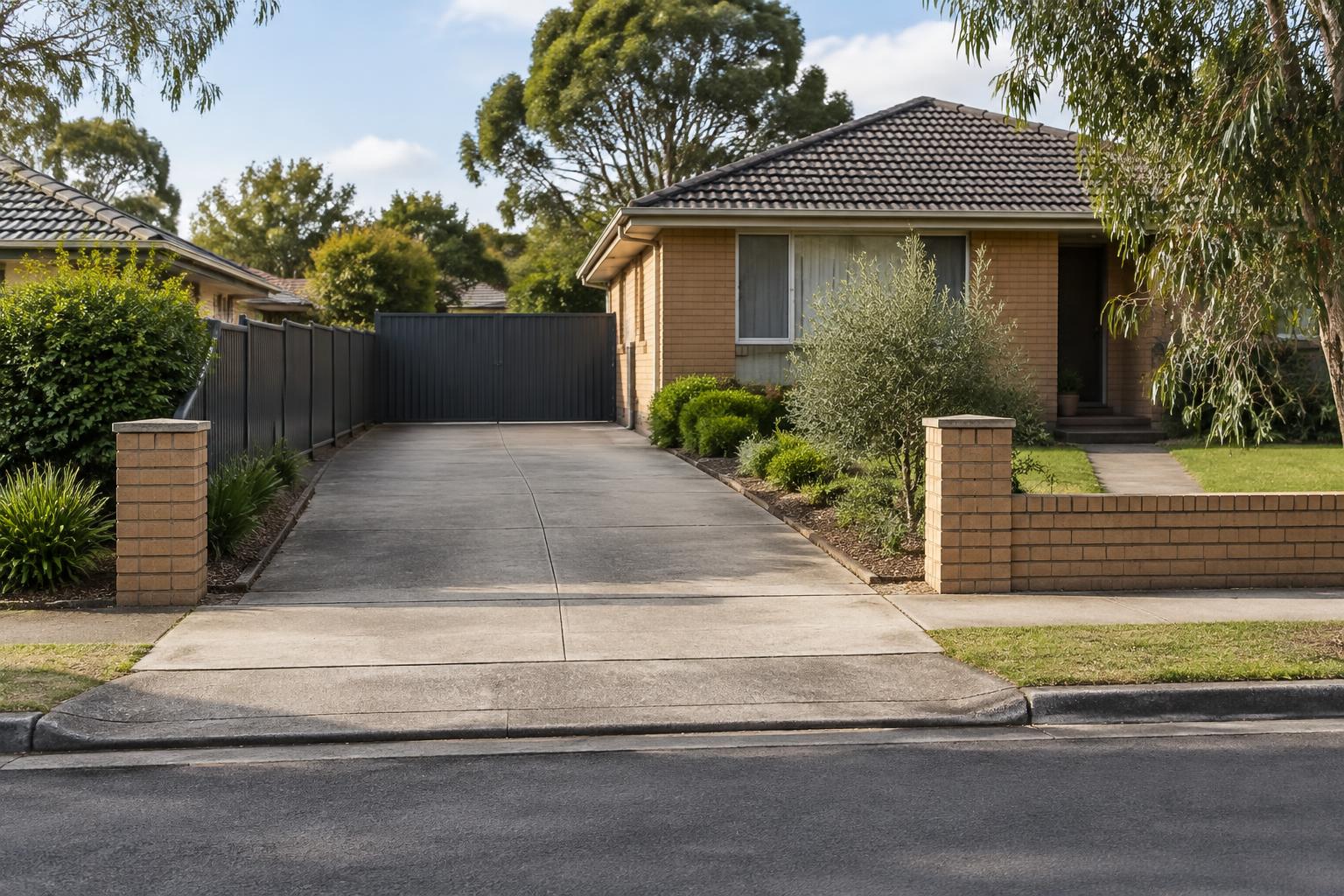
An empty driveway on weekdays can look like an easy hosting opportunity—until someone comes home early, a delivery needs access or a visitor arrives. The challenge isn’t simply finding unused space. It’s knowing when that space is genuinely available without disrupting your household.
For someone searching for cheap parking near me, a private space is only useful if its access times match their plans. For a host, the arrangement needs to work around everyday life too.
This guide focuses on part-time hosting: turning predictable gaps in your driveway, garage or parking space into a manageable offering on ParkingShare, without making your home revolve around someone else’s car.
Start with a space-and-time audit
Step 1: Observe an ordinary week
Before offering availability, record how your household actually uses the space. Don’t rely on the ideal version of your routine.
For each day, note:
- When the last household vehicle leaves and the first returns.
- Whether anyone works from home or changes shifts.
- When bins, gardening equipment or deliveries need access.
- Whether the space doubles as a walkway or access to storage.
- Any visitors, carers or tradespeople who regularly use the driveway.
Include occasional interruptions in a separate list. School holidays, roster changes and visiting relatives might not affect every week, but they still need a plan.
The useful question is: Which hours could I offer repeatedly without needing everything to go perfectly?
Step 2: Map the whole vehicle journey
A parking bay can be empty while its access route is blocked. Walk the route from the street to the space, then back out again.
Check whether a parked vehicle would prevent someone opening the garage, reaching a side gate or moving another car. In a tandem driveway, decide whether either vehicle could leave independently. Avoid an arrangement that depends on regularly moving a guest’s car.
Measure the usable area and any narrow entrance or height restriction. Consider door-opening room as well as the vehicle’s footprint. If a garage contains stored items, define a clear parking area rather than expecting drivers to work around changing clutter.
Build availability around the household, not the maximum possible hours
Step 3: Choose one dependable hosting window
Start with the simplest repeatable option your audit reveals. That might be selected weekdays, evenings when you are consistently out, or a period when a household vehicle is away.
Leave a buffer between the guest’s departure and the time you need the space back. There is no universal buffer: choose one that reflects your routine and how disruptive an overlap would be.
For example, a household that returns during the afternoon might offer a daytime window ending well before its earliest usual return. It should not advertise access right up to that return time merely to look more convenient.
Be especially cautious with overnight parking. A space available in the evening is not necessarily available the following morning.
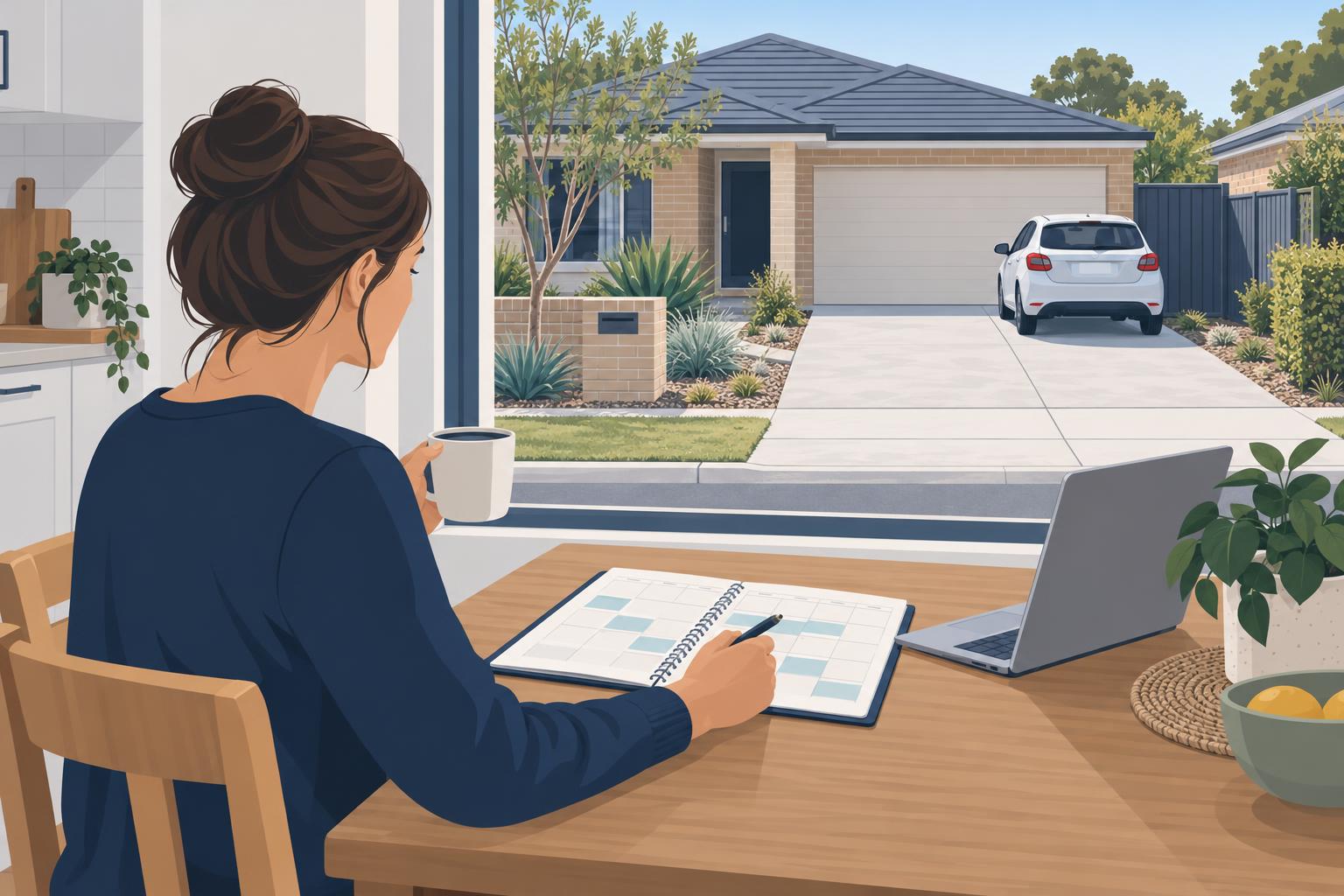
Step 4: Create a shared household calendar
Use a calendar everyone affected can check. It can be digital or on the fridge; the important thing is that confirmed parking commitments and household needs appear together.
Record three things separately:
- Potential availability: times you could offer.
- Confirmed commitments: bookings you need to honour.
- Unavailable periods: visitors, maintenance, holidays or household use.
Do not assume a change to your personal calendar updates your marketplace listing. Keep the availability you offer consistent with what you can actually provide, using the options available to you.
Before accepting arrangements, review ParkingShare’s terms so you understand the applicable booking conditions. Avoid promising flexibility you may not be able to deliver.
Define the operating boundaries before the first arrival
Step 5: Write a short access brief
Prepare a practical brief that removes guesswork. Focus on operating details rather than promotional language:
- Parking position: the exact bay or side of the driveway.
- Access window: when arrival and departure are possible.
- Clear areas: doors, paths and gates that must remain usable.
- Entry method: any agreed gate or garage access instructions.
- Changes: how the driver should raise a request or report a delay.
If you are offering parking only, say so. Don’t leave ambiguity about storing belongings, charging a vehicle, washing it or using nearby tools.
Keep sensitive access information separate from public-facing descriptions. Share only what is necessary for the agreed arrangement, and avoid exposing household routines unnecessarily.
Step 6: Decide what happens when plans change
Think through two scenarios: the driver asks to stay longer, or your household unexpectedly needs the space.
An extension should depend on actual availability and the applicable booking conditions—not on an assumption that an empty driveway is available indefinitely. Likewise, avoid treating a confirmed guest booking as something you can casually displace when a visitor turns up.
Arrange a household fallback where practical, such as keeping another suitable space available for unexpected visitors. If a booking issue arises, use the relevant communication process and seek help through ParkingShare contact when needed.
Check whether the arrangement is worth maintaining
A short availability window is not automatically worthwhile simply because the space would otherwise sit empty. Consider the time spent coordinating access, preparing the area and responding to changes.
When setting your offer, compare spaces with similar access conditions rather than treating all nearby parking as equivalent. Covered parking, restricted hours and independently accessible bays are different propositions. Someone searching for cheap parking near me still needs a space that suits their vehicle and departure time.
Keep a basic record of payments, relevant expenses and hosting administration. Income from sharing-economy activities may have tax implications; check the Australian Taxation Office for guidance relevant to your circumstances.
Before starting, also check with your insurer and any relevant property owner, strata body or local council about your proposed use. Describe the actual arrangement, including frequency and access, rather than asking only whether you can “rent out a space”.
Run a small trial and review the friction
Start with availability you can comfortably maintain. After an initial trial, review the practical experience—not just whether someone booked.
Ask yourself:
- Did arrivals and departures fit the household routine?
- Were any instructions repeatedly misunderstood?
- Did another vehicle, delivery or visitor need the same space?
- Was the administration proportionate to the benefit?
- Would a narrower window make hosting easier?
Use those observations to refine future availability. Expand only when the arrangement remains manageable.
ParkingShare connects people with private parking, storage and workspace. If your parking routine is ready, list your space with an offer grounded in what you can reliably provide.
Frequently asked questions
Can I offer a driveway that I use myself?
Potentially, provided the guest’s agreed parking period does not overlap with your own use and access remains practical. Audit your routine first, then check the listing and booking options available for your proposed arrangement.
Should I offer every spare hour?
Not necessarily. A smaller, dependable window can be easier to manage than maximum availability with frequent exceptions. Allow time for household changes and preparation rather than scheduling back-to-back use with no margin.
What if a driver wants to leave their car longer?
Check your actual availability and the applicable booking conditions before agreeing. Don’t make an informal promise that conflicts with another commitment. Make the agreed departure time clear from the outset.
Where can I check platform-specific questions?
Read the ParkingShare FAQs for platform guidance. Confirm any unanswered questions about your intended arrangement before offering the space, especially if access is shared or your availability changes regularly.