
Hosting tips
Rent Out Your Driveway: Help “Parking Near Me” Searchers Choose
By ParkingShare Australia · · 7 min read
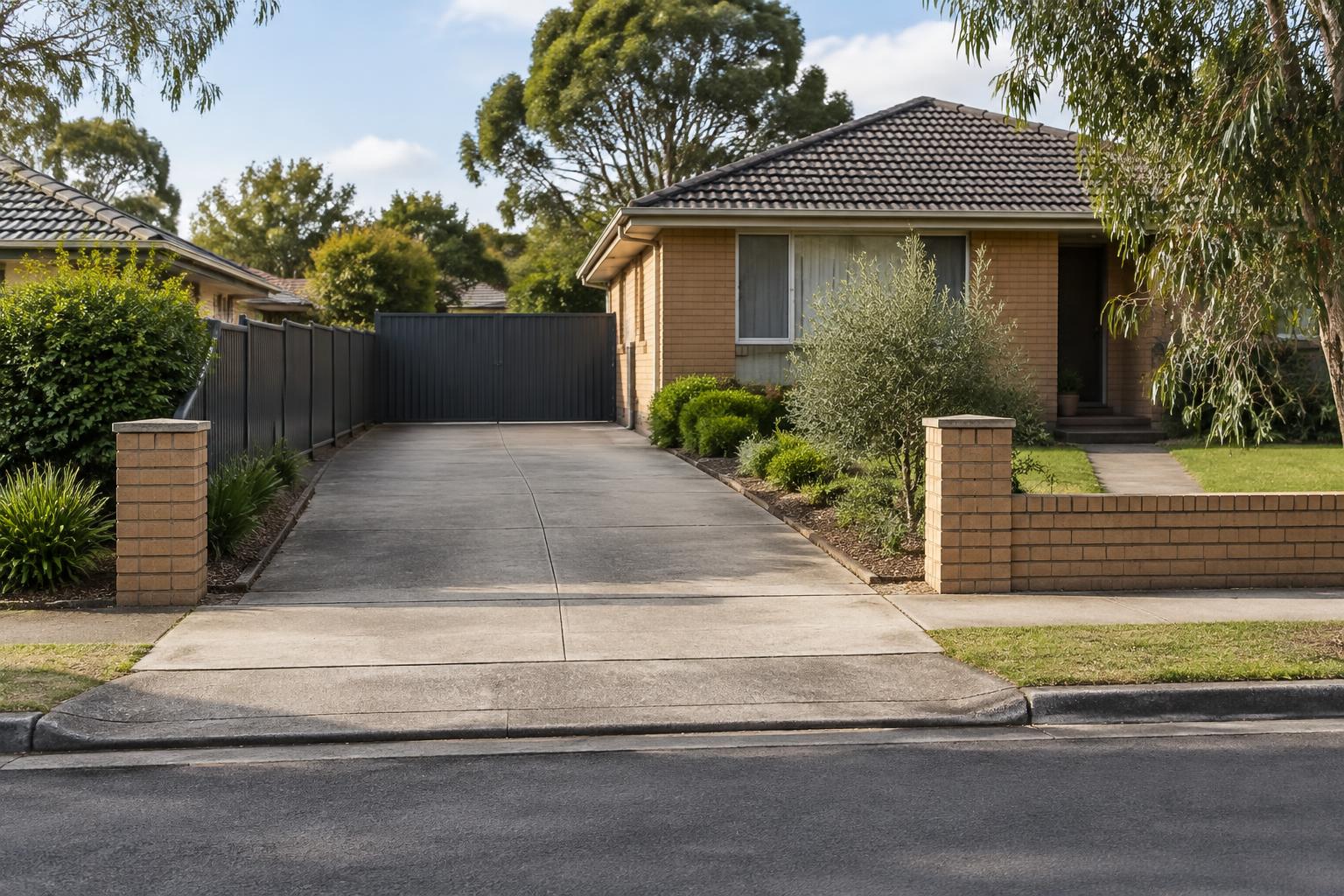
Someone searching for “parking near me” needs more than a vacant patch of concrete. They need to know whether their car will fit, whether the space is available for their whole visit and whether they can find it without a last-minute phone call.
For a host, those questions provide a useful starting point. Rather than describing your driveway as “great parking”, show exactly who it suits and how arriving will work.
This guide focuses on making an unused driveway, garage or private parking bay straightforward to book and use. ParkingShare connects people looking for space with hosts who have some to spare; your part is to describe that space accurately and make the practical details clear.
1. Decide what you can reliably offer
Start with your own routine, not the availability you hope to provide. A driveway that looks empty at lunchtime might still be needed for a school pick-up, a delivery or another household member’s car.
Walk through a typical week and write down:
- When the space is genuinely free.
- Whether a parked vehicle would block your garage or another car.
- Whether the driver can leave without anyone moving a vehicle.
- Whether visitors, bins or maintenance regularly need the same area.
- Whether access depends on you being home.
Then choose a clear availability pattern. That might be weekday daytime parking, overnight availability or a particular recurring window. Avoid offering unrestricted access if you need the driveway back at a fixed time.
Build in whatever changeover time your household actually needs. If the space must be clear before you arrive home, make the booking window end earlier rather than relying on a perfectly timed departure.
For an introduction to hosting with ParkingShare, visit the host information page.
2. Measure the usable space, not just the driveway
A driver needs to picture their vehicle parked and the doors opening. Measuring from fence to fence is not enough if a tap, pillar or stored bicycle narrows the usable area.
Take three sets of measurements
- The parking area: measure the clear length and width where the vehicle will stand.
- The entrance: measure the narrowest usable point through gates, posts or garage openings.
- Any overhead restriction: measure the lowest relevant point along the access route and inside the space, including the garage door when open.
Record what you measured. “Clear entrance width” is more useful than an unexplained width figure.
Also check room to open doors, boot access and the approach angle. If you test with your own car, name its type in your notes without assuming every vehicle in that category will fit.
Be candid about limitations. “Narrow entrance; please compare the measurements with your vehicle” gives a driver something useful to assess. “Fits all cars” does not.
3. Take photos that answer practical questions
Treat your photos as a short arrival walkthrough rather than a property advertisement. Clear daylight photos are a good starting point, with the parking area presented as it will actually be available.
Aim to show:
- The approach: the entrance as a driver will see it from the street.
- The opening: gates, posts and any tight turn.
- The full space: its surface, boundaries and usable parking area.
- The parked position: a reference vehicle, if useful, with its registration obscured.
- The pedestrian exit: how someone leaves after parking.
Include awkward features instead of cropping them out. A sloping driveway, shared access lane or low beam is something a driver should understand before choosing the space.
Check each image for unnecessary personal information, including faces, number plates, mail and access codes. Do not photograph a temporary clear area if household items will normally occupy it.
4. Write the listing around the driver’s decision
You do not need to repeat “parking near me” throughout your listing. Explain where the space is, what it accommodates and when it is available. Those details help someone decide whether your parking suits their trip.
Use this description structure
Opening sentence: identify the space type and its most useful characteristic, such as independent driveway access or a covered garage bay.
Fit: give measured dimensions, entrance restrictions and anything that affects door opening or manoeuvring.
Availability: state the actual days and times, including when the vehicle must leave.
Access: explain whether there is a gate, how entry is arranged and whether you need to be present.
Location: describe nearby destinations accurately. If you include a walking estimate, check the public pedestrian route and label the time as approximate.
Limitations: disclose shared access, slopes, tight turns or other relevant constraints.
Here is a starting template, not a description to copy unchanged:
Private driveway space available during [days and hours]. The usable parking area measures [length] by [width], with a clear entrance width of [measurement]. Access is via [entrance description]. Please park [position] so the pedestrian path remains clear. The space has [relevant limitation].
Replace every placeholder with checked information and remove anything that does not apply.
5. Prepare arrival instructions before the first booking
Stand outside and imagine you have never visited the property. Can you identify the correct entrance? Is the parking position obvious? Could you accidentally block someone else?
Prepare a short arrival note in this order:
- How to recognise the correct entrance.
- Any approach or turning detail to watch for.
- How entry will be arranged, where relevant.
- Exactly where to park and what to keep clear.
- How to leave on foot and return to the vehicle.
- What to do if the space is unexpectedly obstructed.
Keep sensitive entry details out of public listing text. Agree on an appropriate way to provide necessary access information to the booked driver.
Do not assume flexibility around early arrival, late departure or leaving and returning during a booking. Clarify those expectations beforehand, and review the ParkingShare terms before making commitments about booking changes.
6. Run a rehearsal and maintain the listing
Ask someone unfamiliar with your setup to follow your draft instructions. Have them identify the entrance, assess the parking position and find the pedestrian exit without extra coaching.
Every question they ask is a possible improvement to your description or photos.
Before accepting bookings, also check your permission to offer the space, any relevant council or strata requirements and your insurer’s position. Confirm these matters with the relevant authority, property owner or insurer rather than assuming ordinary household arrangements cover paid parking. Consult the Australian Taxation Office or a registered tax agent about the tax treatment of your circumstances and what records to keep.
Once you are ready, list your space. Revisit its details whenever your schedule, access arrangements or usable dimensions change. A new storage shelf in the garage can make an old measurement misleading.
Frequently asked questions
Can I offer my driveway only during work hours?
Describe the hours you can reliably provide and check the available booking arrangements before publishing. Include a clear departure time and allow for your own changing routine rather than promising access you cannot consistently maintain.
What if I am unsure whether a vehicle will fit?
Provide measured dimensions and photos of the entrance and parking area. Ask the driver to compare them with their vehicle, including roof accessories and door-opening needs. Do not confirm suitability while important clearance questions remain unresolved.
Should I remove everything from my garage?
Focus on keeping the advertised parking area and access route clear. If anything will remain, show it accurately in photos and account for it in your measurements. Do not imply exclusive use of the whole garage when only a defined bay is available.
Where can I check platform-specific questions?
Read the ParkingShare FAQs for platform guidance. Keep that separate from questions about your property: you still need to confirm your own access arrangements, permissions and practical limitations.